

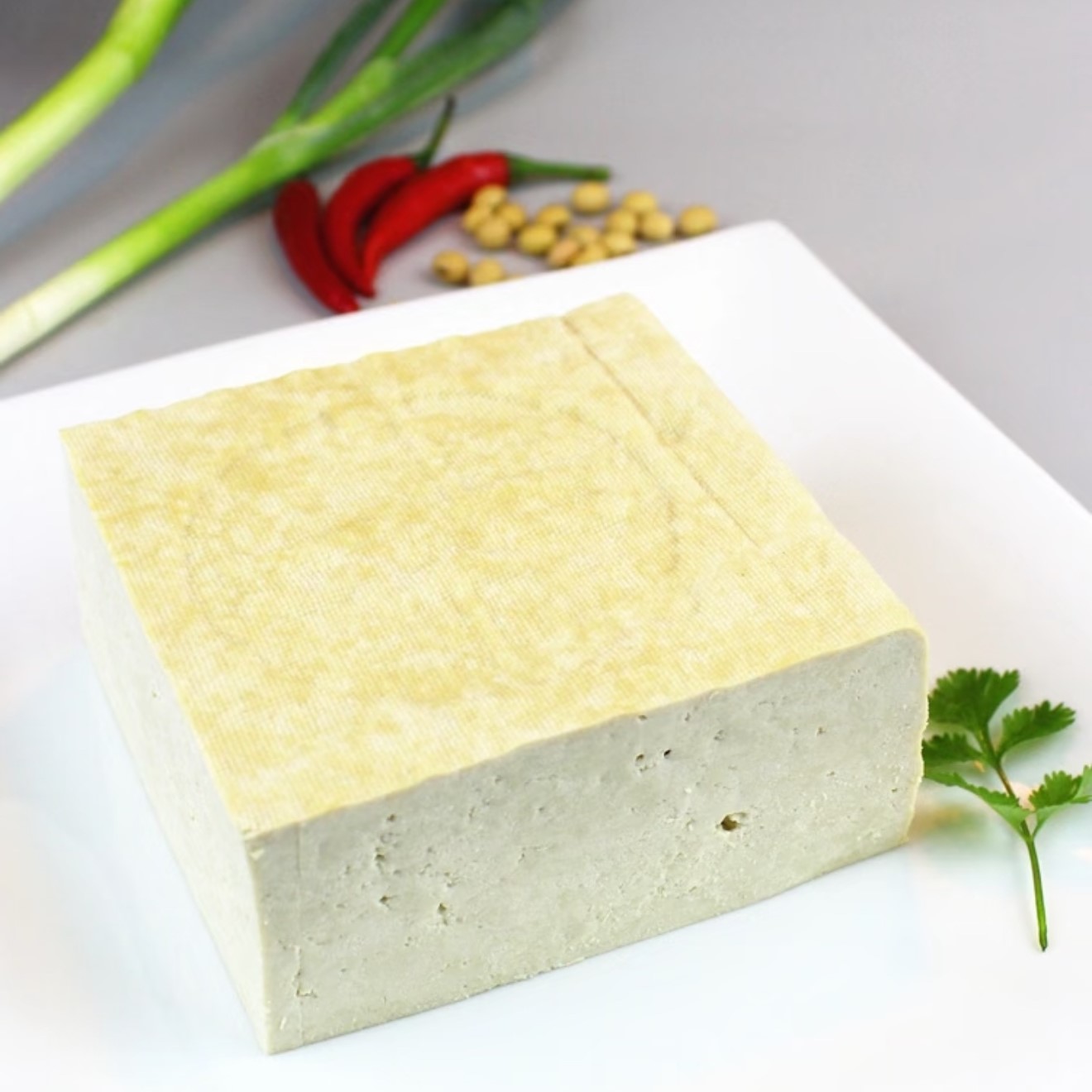
In factory-scale soy product manufacturing, spoilage is mainly caused by microbial growth, which is closely related to raw material contamination, processing hygiene, and sterilization effectiveness. Products such as tofu, soy milk, tofu skin, and dried tofu are rich in protein and moisture, making them highly sensitive to environmental and operational conditions.
Soybeans naturally carry microorganisms from soil, harvesting, storage, and transportation. Due to the uneven surface of soybeans, bacteria adhere strongly and are difficult to remove completely through soaking and washing. In warm production environments, long soaking times further accelerate microbial multiplication. Heat-resistant bacteria, especially Bacillus, may survive normal cooking processes and later grow in finished products, leading to sour taste, off-odors, gas formation, and shortened shelf life. In addition, seasonings and additives such as spices, sugar, and flavorings can introduce extra microbial contamination if raw material control is insufficient.
During soy processing, secondary contamination is another major risk factor. Industrial production involves multiple steps, including soaking, grinding, cooking, coagulation, forming, cooling, and packaging. If equipment such as grinders, cooking tanks, pipelines, coagulation vessels, and molds are not thoroughly cleaned and disinfected, soy residues can accumulate in dead corners and become breeding grounds for microorganisms. Manual handling, contaminated forming cloths, and poor workshop hygiene further increase the microbial load, especially in high-temperature and high-humidity environments.
Even when contamination occurs earlier in the process, insufficient or improper sterilization is often the direct cause of spoilage. High initial microbial counts, uneven heating, inadequate sterilization time, or non-standardized operating procedures can all result in incomplete microbial inactivation. Residual microorganisms then continue to grow during cooling, storage, and distribution, causing rapid deterioration of soy products.
To reduce spoilage and ensure food safety in industrial soy product manufacturing, producers must control microbial risks throughout the entire process, including raw material sanitation, hygienic equipment design, standardized cleaning and disinfection procedures, controlled production environments, and scientifically validated sterilization systems. Modern soy processing equipment plays a critical role by minimizing manual contact, improving thermal control, and supporting consistent food safety standards.