

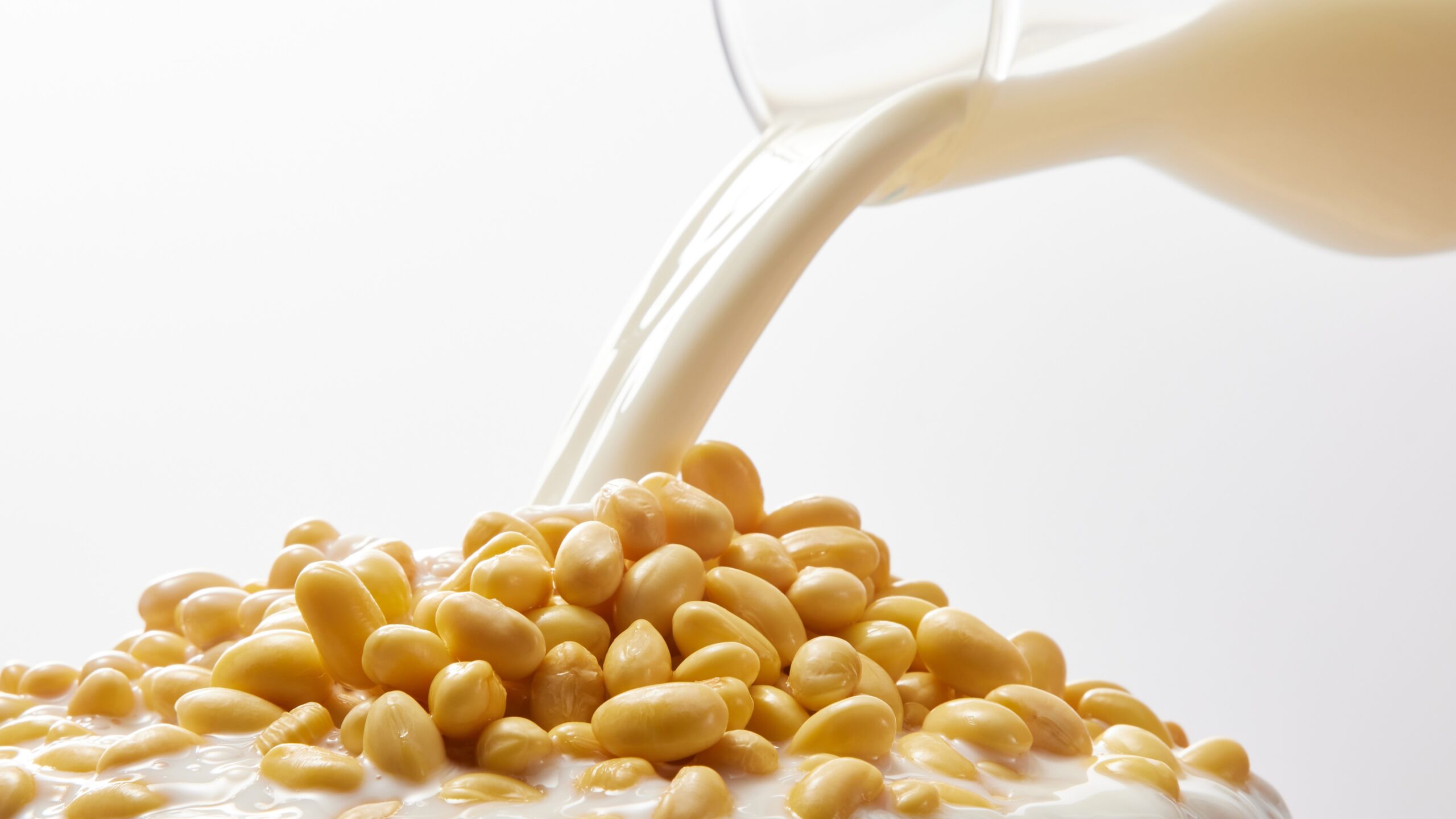
Soybeans can be classified based on seed color, composition, origin, and GMO status. Understanding these categories helps tofu and soy food manufacturers select suitable raw materials for stable quality and high production yield.
1. Classification by Seed Coat Color
- Yellow Soybeans
White-yellow, light yellow, medium yellow, deep yellow, dark yellow
Most widely used for tofu, soy milk, tofu skin, and general soy food processing. - Green Soybeans
Light green, green, dark green
Seed structure: green skin with green cotyledon / green skin with yellow cotyledon
Common in specialty and traditional soy products. - Black Soybeans
Black or jet black skin
Seed structure: black skin with green cotyledon / black skin with yellow cotyledon
Used in functional foods and premium soy products. - Brown Soybeans
Tea-colored, light brown, brown, dark brown, purple-red
Mainly used in regional or traditional processing. - Bi-Color Soybeans
Two colors on one single seed
2. Classification by Chemical Composition
- High-Oil Soybeans
Oil content ≥ 22%
Primarily used for soybean oil extraction. - High-Protein Soybeans
Protein content ≥ 45%
Preferred for tofu, soy milk and soy protein production.
3. Classification by Origin
- Chineses soybeans
- U.S. soybeans
- Brazilian soybeans
- Argentine soybeans
Origin influences protein level, moisture content, and processing performance.
4. Classification by GMO Status
- GMO Soybeans
- Non-GMO Soybeans
Summary
For soy food manufacturing, high-protein, clean, and stable-quality soybeans are essential. Choosing the right soybean type directly affects tofu yield, texture, processing efficiency, and final product consistency.