

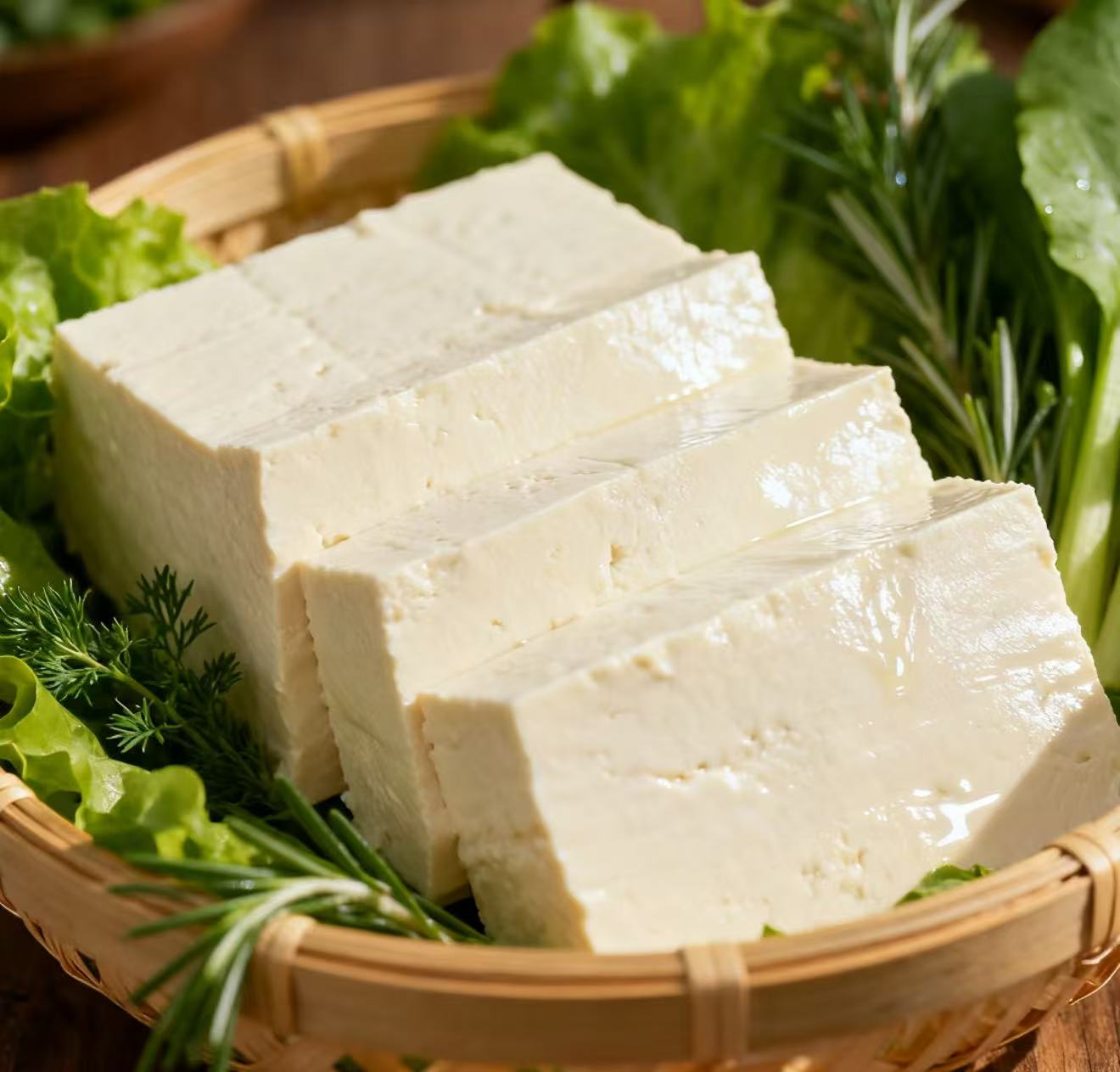
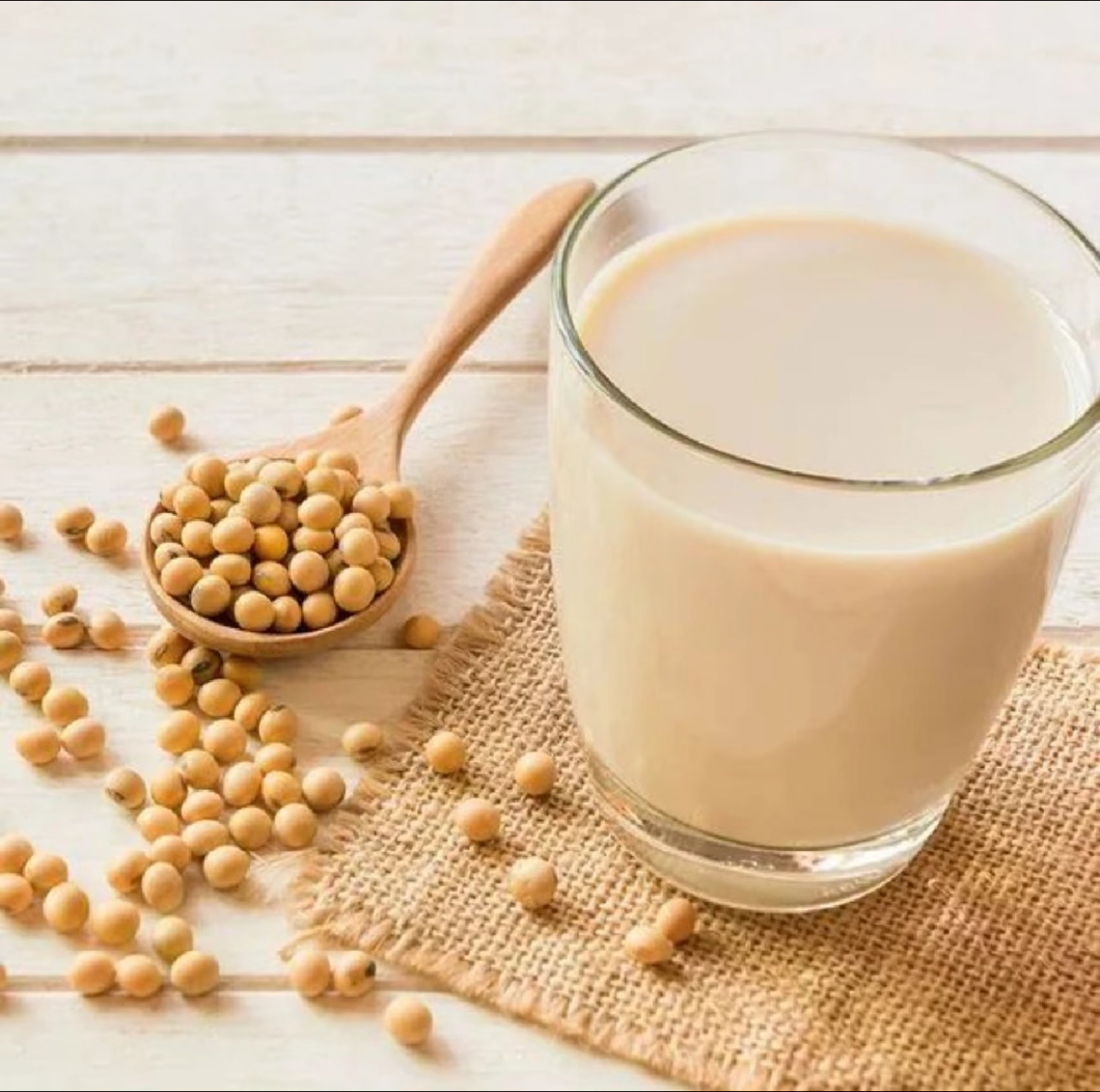
The yield of tofu and soy products is one of the most important indicators of production efficiency and process control in a tofu factory. In industrial manufacturing, yield is influenced by every processing step. Any deviation or instability in raw materials, processing conditions, or operation methods can lead to yield loss and increased production costs.
1. How Tofu Yield Is Calculated
In practical production, tofu yield is commonly calculated as the amount of finished product obtained from a given quantity of soybeans, typically expressed as:
How many kilograms (or pounds) of tofu or soy products are produced from 1 kilogram (or pound) of soybeans.
This simple method is widely used to evaluate raw material utilization and overall production performance.
2. Main Factors Affecting Tofu and Soy Product Yield
2.1 Soybean Raw Material Quality
Fluctuations in soybean quality directly affect protein extraction efficiency and final yield. Key indicators include:
- Protein content
- Moisture content
- Impurity level
Low protein content or high impurity levels reduce effective protein recovery, resulting in lower tofu yield.
2.2 Soaking Water Quality and pH Value
Water quality during soybean soaking plays a critical role in hydration efficiency and protein functionality.
- Water hardness: Excessive total hardness reduces protein extraction efficiency. Water softening is recommended when hardness is high.
- Water pH: Neutral to slightly alkaline water is preferred to promote proper protein hydration and swelling.
2.3 Grinding and Milling Performance
Proper soybean grinding ensures optimal protein release.
- The ratio of soybeans to water must be accurately controlled.
- Soy slurry particle size should be uniform and moderate—overly coarse grinding reduces extraction, while excessive fineness may complicate separation.
2.4 Slurry Separation Efficiency
Efficient separation of soy milk and okara (soy pulp) is essential for high yield.
- Viscosity control: Recycled process water (thin soy whey) can be used to adjust slurry consistency.
- Soy milk concentration control: Concentration should be adjusted according to the specific product type.
- Protein recovery from okara: Advanced slurry–pulp separation improves protein extraction and reduces losses.
2.5 Thermal Denaturation of Soy Milk
The degree of heat treatment directly affects protein gelation and yield.
- Insufficient heat treatment: Incomplete protein denaturation results in low yield, weak texture, poor elasticity, and higher risk of souring or discoloration.
- Excessive heat treatment: Over-denaturation causes rough texture, reduced water-holding capacity, darker color, and yield loss.
2.6 Coagulation Performance
Proper coagulation is one of the most critical yield-determining steps.
Key influencing factors include:
- Soybean quality
- Optimal soy milk pH (generally 6.5–7.0)
- Coagulation temperature
- Correct holding (curding) time and insulation conditions
Uniform coagulant addition, appropriate dosage, and proper curd firmness are essential to maximize protein utilization.
2.7 Curd Cutting, Whey Removal, and Pressing
Mechanical handling after coagulation has a direct impact on both yield and product quality.
- Curd breaking and whey drainage: The degree of curd cutting and whey removal must match the desired moisture content and forming method.
- Pressing process: Pressure should be applied gradually—starting gently and increasing progressively—to control whey loss and avoid structural damage.
2.8 Control of Defective Products
Reducing defective products is a direct way to improve overall yield.
- Precise control of filling, pressing, and cutting operations
- Minimizing breakage, deformation, and off-spec products
Effective process control significantly reduces waste and improves factory profitability.