

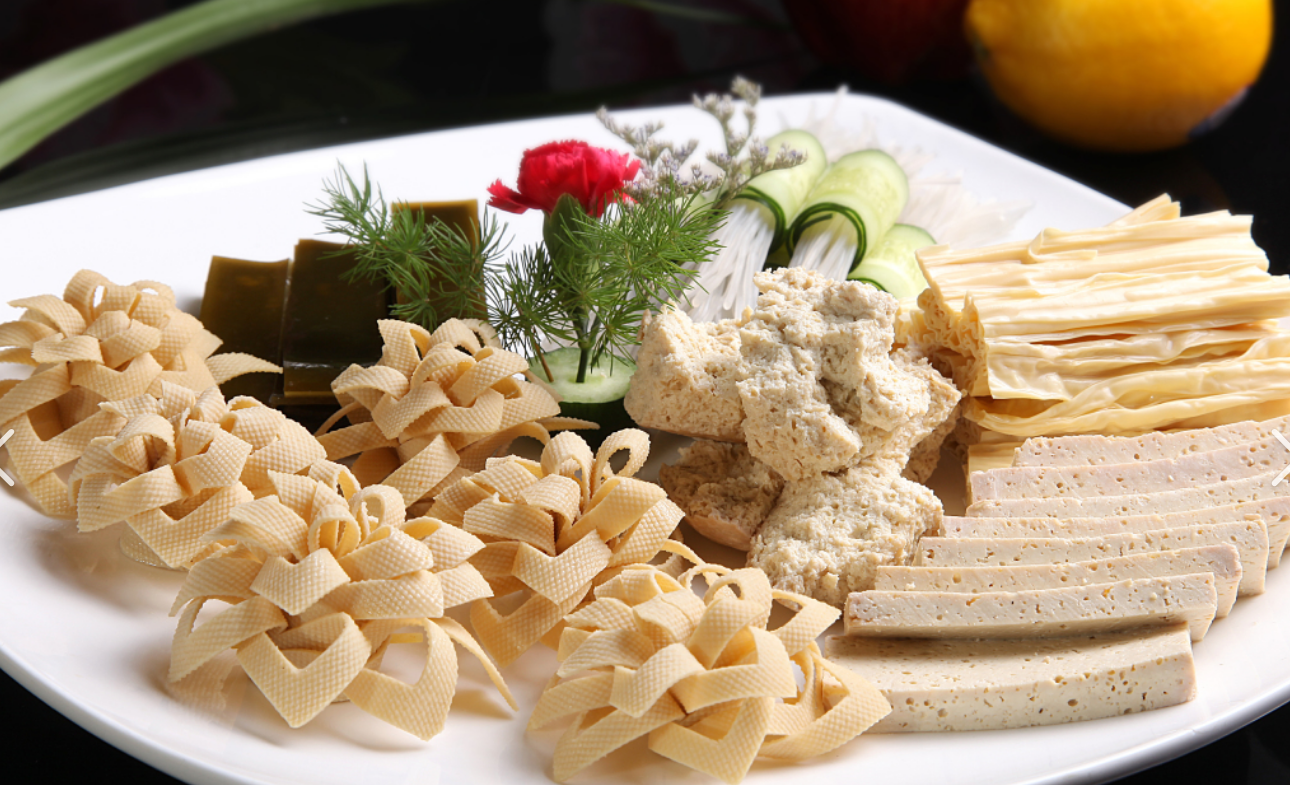
Although there are many types of beans, most bean products on the market have a protein composition ratio that meets human needs, making them an ideal source of complementary protein from grains. Secondly, soybeans contain 15%–20% fat and over 50% linoleic acid, making them beneficial for preventing coronary heart disease, hypertension, and atherosclerosis. Soybeans are made from soybeans because they contain 30%–40% protein, which is high-quality protein. After further processing, bean products not only become more delicious and appetizing, but the processing also removes many unhealthy components, such as protease inhibitors, phytohemagglutinins, and phytic acid. Furthermore, the nutrients they contain undergo significant changes. For example, when processed into tofu, the use of brine during production increases the content of inorganic salts such as calcium and magnesium.
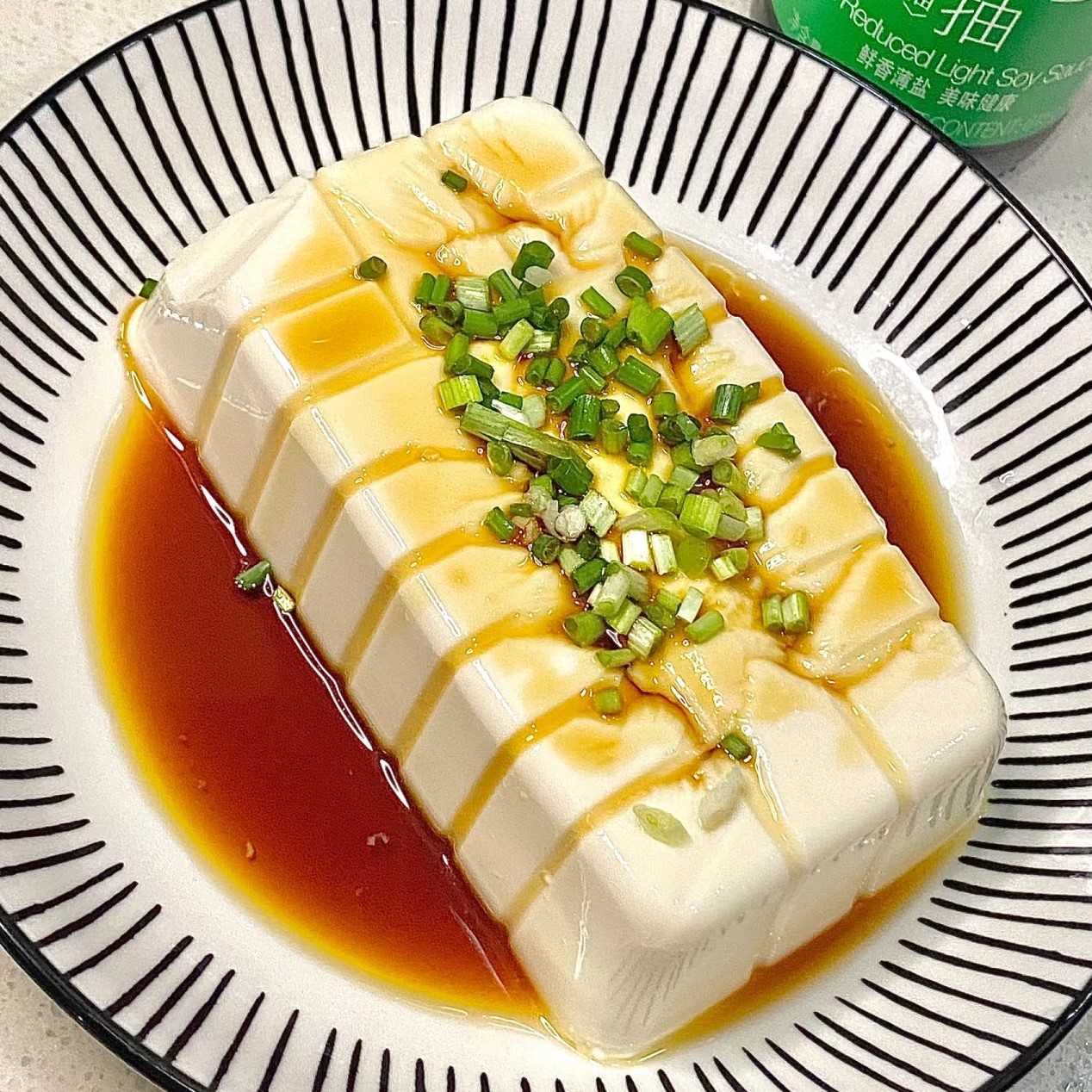
Tofu – Excellent for Calcium Supplementation: Soybeans themselves are not particularly high in calcium; 100 grams of dried soybeans contain only 191 milligrams of calcium. However, after processing soybeans into tofu, 100 grams of tofu contains 164 milligrams of calcium, higher than other soy products, and it is also more easily absorbed. This is because a significant portion of the calcium in tofu is added during processing. The brine or gypsum used to coagulate tofu contains many calcium ions, especially firm tofu (which contains more coagulant), which has a higher calcium content than soft tofu. Additionally, there is a type of soft tofu called silken tofu, which uses glucono-delta-lactone (GDL) as a coagulant and has a very low calcium content, only 17 milligrams per 100 grams.
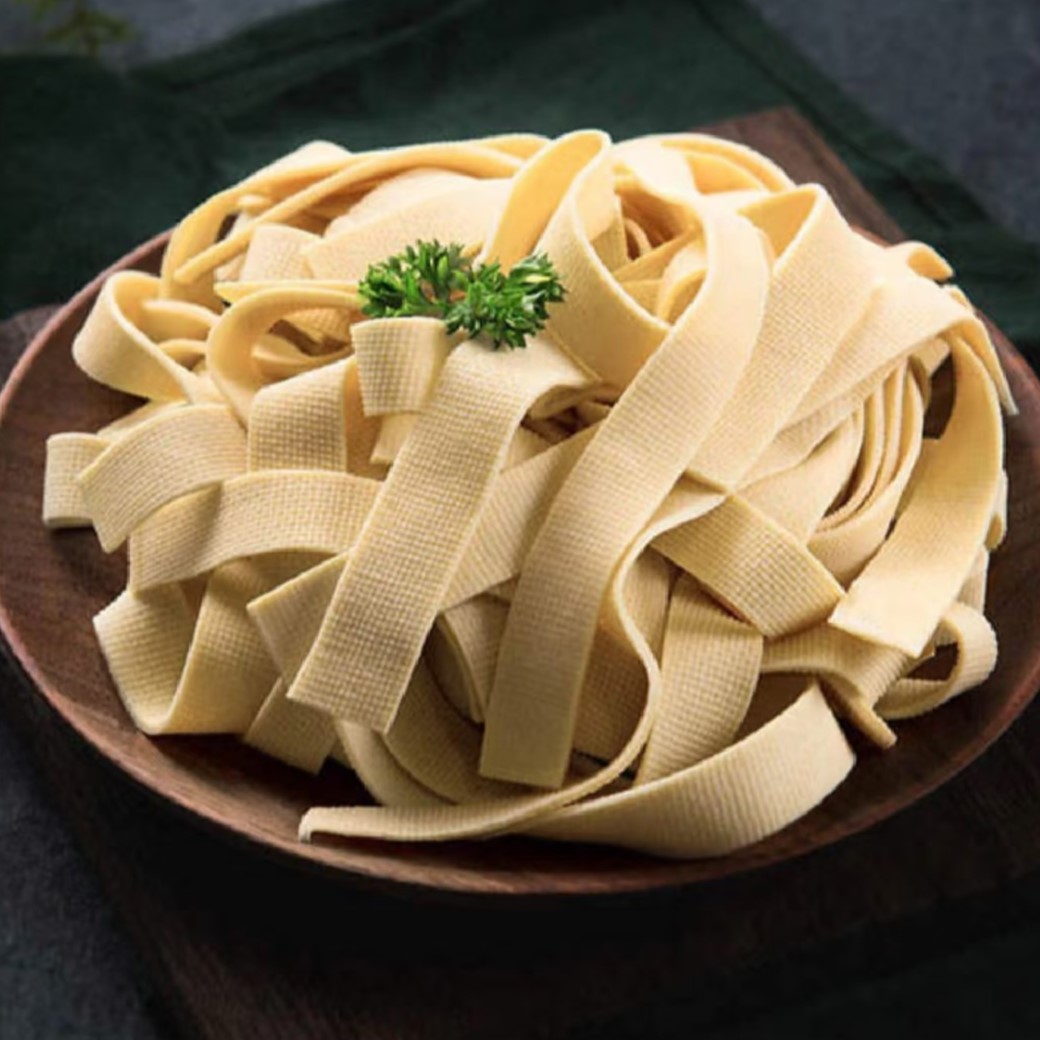
Tofu Skin (Yuba) – Nutritious Benefits: The skin that forms on the surface of boiled soybean milk, after being removed and dried, becomes tofu skin. Therefore, tofu skin has a high protein content, reaching 44.6 grams per 100 grams compared to other soy products. It is therefore often called “vegetarian meat” and is a healthy food suitable for all ages. Suitable for those with weak constitutions, low immunity, or anemia. Furthermore, the lecithin in dried bean curd can lower cholesterol, prevent cardiovascular disease, and protect the heart, offering excellent health benefits. It’s important to note that dried bean curd is relatively high in calories compared to other soy products, containing 457 kcal per 100 grams (compared to 82 kcal for regular tofu, 140 kcal for dried tofu, and 244 kcal for fried tofu).
Dried Tofu – Low Glycemic Index: Dried tofu is essentially “concentrated” tofu, similar to tofu skin. Compared to other soy products, the same weight of dried tofu has a higher content of protein, fat, and other major nutrients. However, due to the pressing and dehydration process, its glycemic index is only 23.7, lower than that of fresh tofu. It also does not contain excessive salt (excluding processed products such as braised tofu, smoked tofu, and soy sauce-dried tofu), making it suitable for those with high blood sugar. Of course, most soy products are beneficial for diabetics, being low in calories and increasing satiety, especially suitable for those with poor dietary control or obesity-related diabetes.