

Introduction
Maintaining strict personal hygiene standards for production operators is essential in tofu and soy food manufacturing. Proper hygiene practices help ensure food safety, product quality, and equipment protection, while also complying with international food safety regulations such as HACCP and GMP.
The following hygiene requirements apply to all personnel working in soy product processing facilities.
1. Personal Cleanliness
Production operators must maintain good personal hygiene at all times. This includes:
- Regular haircuts and neatly trimmed fingernails
- Frequent bathing and daily changes of clean clothing
- Maintaining a clean and professional appearance during working hours
Good personal hygiene reduces the risk of contamination and helps maintain a sanitary production environment.
2. Workwear and Protective Clothing
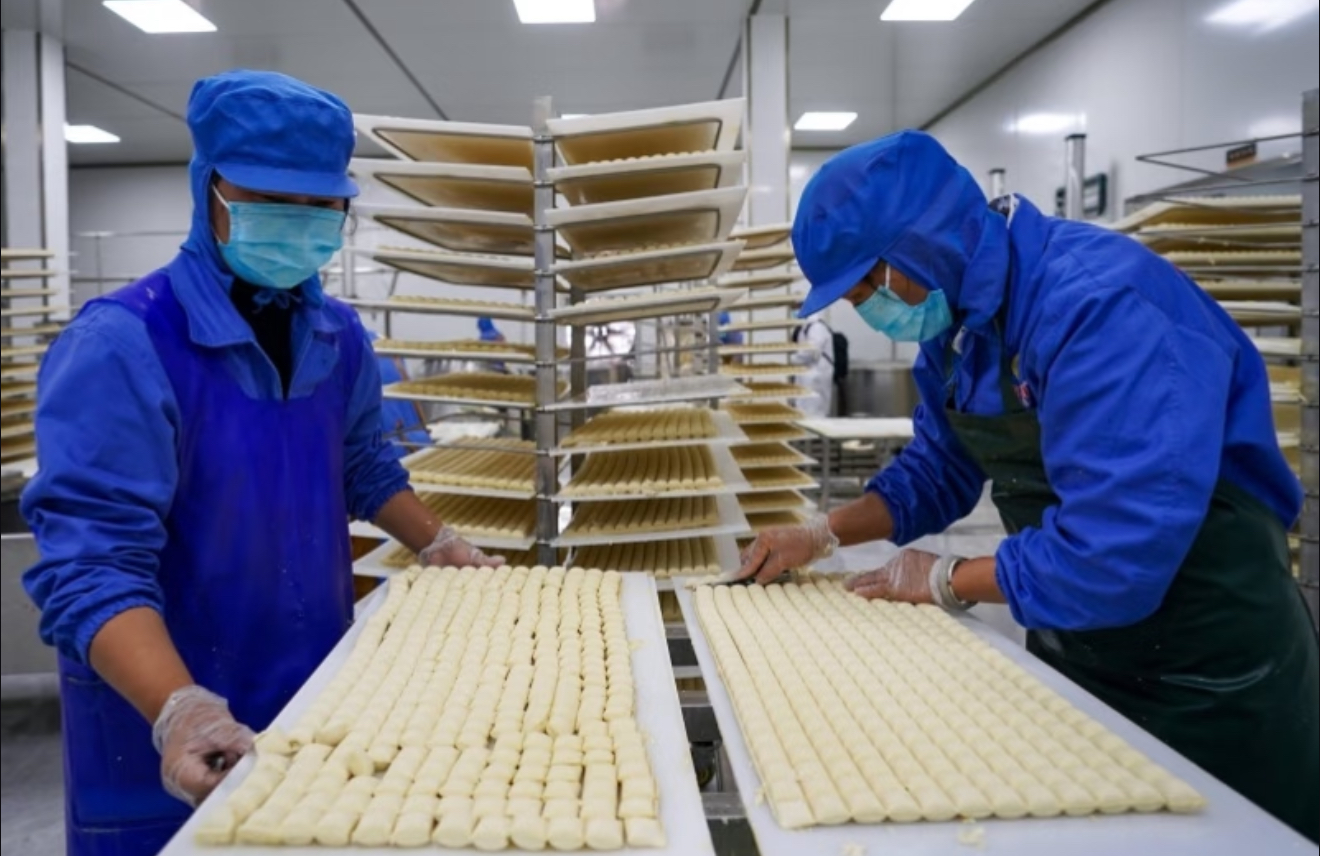
Before entering the production workshop, operators must wear clean and complete protective clothing, including:
- Work uniform
- Work cap (hair must be fully covered)
- Work shoes or boots
Workwear must completely cover personal clothing. Where required, face masks should be worn.
Production clothing and footwear must not be worn outside the production area or inside restrooms, and must be changed if contaminated.
3. Hand Hygiene and Disinfection
Hands must be kept clean at all times. Operators are required to wash and disinfect their hands:
- Before starting work
- After using the restroom
- After handling contaminated raw materials or objects
- After engaging in any activity unrelated to production
Enterprises should implement supervision and inspection measures to ensure proper hand hygiene is consistently followed.
4. Prohibition of Personal Items
Personnel who have direct contact with products or raw materials must not:
- Wear nail polish, lipstick, face powder, or other cosmetics
- Wear watches, rings, necklaces, earrings, or other jewelry
These items may cause contamination and pose a risk to food safety.
5. Behavior in Production Areas
To ensure hygiene and safety:
- Alcohol consumption before work is strictly prohibited
- Smoking is not allowed in production areas
- Eating, drinking, or any behavior that may compromise food hygiene is forbidden during operation
6. Wounds and Injuries
Operators with hand injuries or open wounds are not permitted to handle products or raw materials.
After proper medical treatment and bandaging, operators may only participate in non-direct contact tasks and must wear protective gloves when required.
7. Storage of Personal Belongings
Personal clothing and workwear must be stored separately:
- Personal items (shoes, bags, hats, etc.) should be kept in individual lockers in the changing room
- Personal belongings are not allowed inside production workshops
This helps maintain a clean and organized processing environment.