
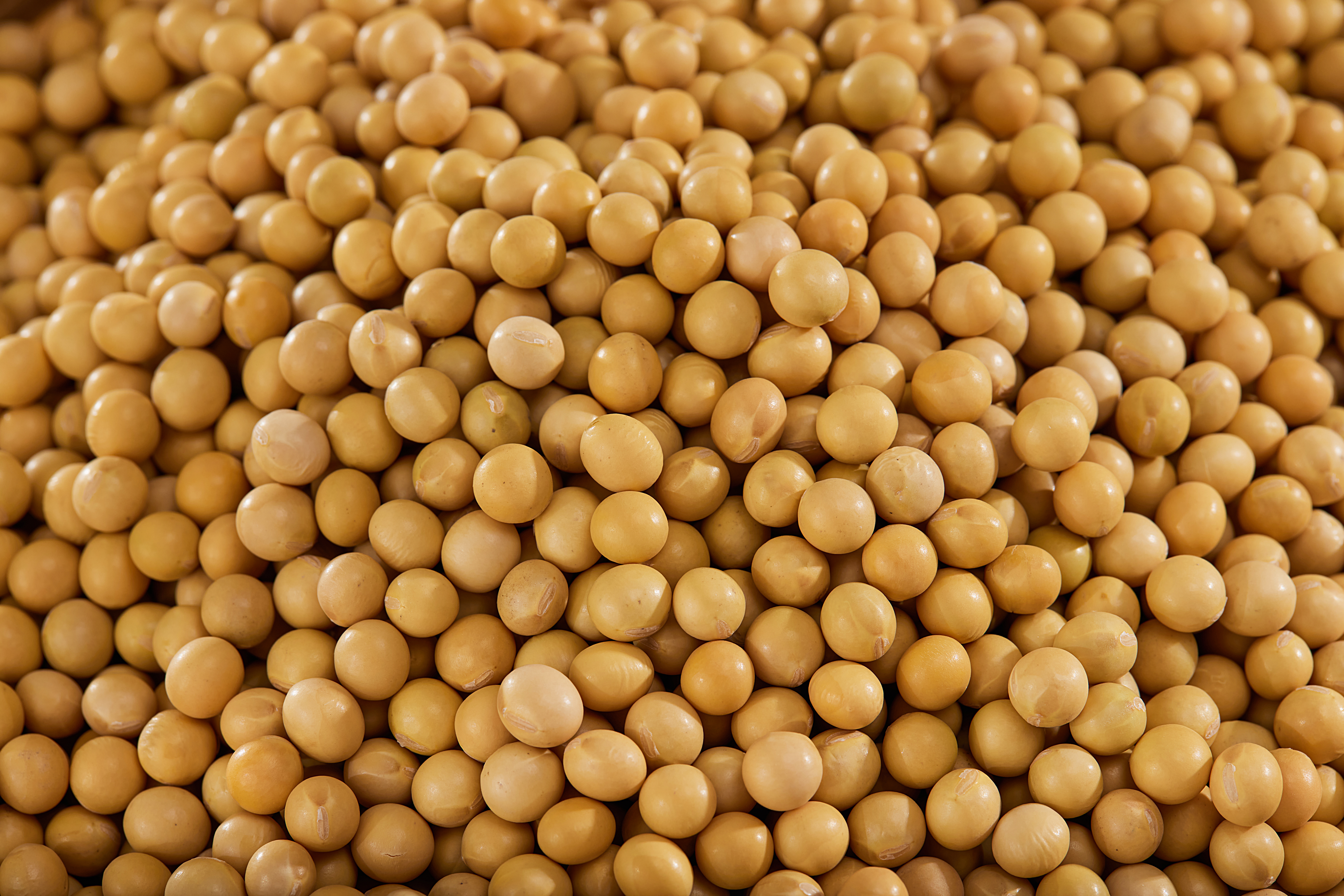
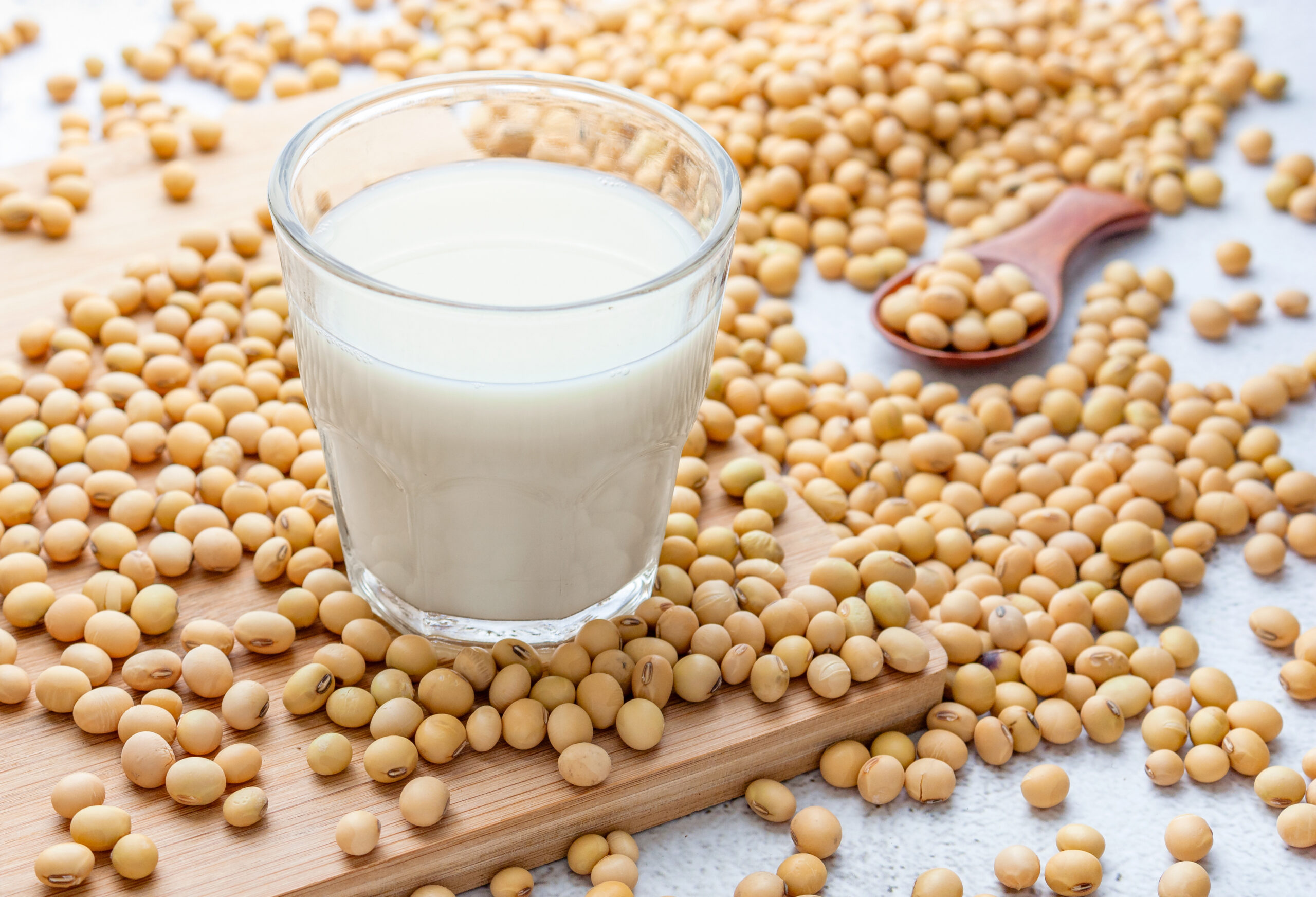
The quality of soy products largely depends on the quality of the raw soybeans. Generally, any soybeans that are free from mold or heat damage, regardless of whether they are new or old, can be used to make soy products. New soybeans, with their bright color, plump grains, and absence of insect infestation or rodent damage, are considered the best. Compared to older soybeans, products made from new soybeans have higher productivity, a finer texture, stronger elasticity, and a better taste.
Soybeans stored for too long will produce tofu with a coarse texture, poor elasticity, poor water retention, and a darker color. However, freshly harvested soybeans are not suitable for use; they should be stored for 2-3 months before use. Ideally, soybeans should be stored under good conditions for 3-9 months. Furthermore, soybeans used for soy product production should be high in protein, especially varieties high in 7S and 11S globulins.
During harvesting, storage, and transportation, soybeans inevitably become mixed with various impurities such as plant debris, soil, sand, small stones, and metal particles. These contaminants not only affect product quality and food hygiene, but can also accelerate wear and reduce the service life of soybean grinding and soy milk processing equipment. For this reason, thorough cleaning and impurity removal is a critical step in soy food production.
In industrial processing, wet cleaning is the most commonly used and effective method for soybean impurity removal. This process is based on the difference in relative density between soybeans and foreign materials. During the initial washing stage, water flotation is used to remove lighter impurities such as straw fragments, dust, and moldy soybeans. Heavier contaminants, including soil, sand, and small stones, are then separated using water channels, continuous flow separators, or vibrating washing machines.
By combining cleaning, soaking, and separation into a controlled process, automatic soybean soaking and washing equipment ensures that only clean, high-quality soybeans enter the next processing stage. This not only improves the hygiene and consistency of soy products, but also protects downstream machinery, reduces maintenance costs, and enhances overall production efficiency—making soybean soaking and washing equipment an essential part of modern soy food processing lines.